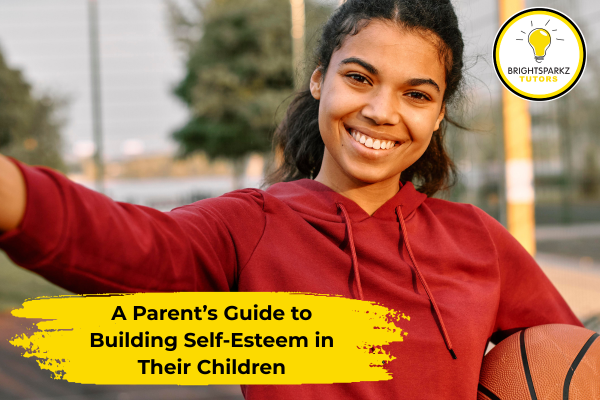
Helping Your Child With Low Self-Esteem: A Guide for Parents
All children face challenges as they grow, but when they struggle with low self-esteem, even small setbacks can feel overwhelming. As a parent or caregiver, helping your child with low self-esteem means providing steady support, positive reinforcement, and practical tools to rebuild their sense of worth. In this guide, we’ll explore what self-esteem looks like, how to spot when it’s low, and how to help your child grow into a more confident, capable version of themselves.
Why Self-Esteem Matters
From a psychological perspective, self-esteem is “the feeling of self-appreciation” – the way we value and perceive ourselves. For children, developing healthy self-esteem is essential. It lays the foundation for emotional well-being, resilience, and the confidence to try, fail, and try again. When children believe in themselves, they’re more willing to take on new challenges, bounce back from mistakes, and build strong relationships.
Conversely, low self-esteem can make children anxious, withdrawn, or overly self-critical. It can affect academic performance, social skills, and long-term mental health. Recognising the signs early makes a big difference.
Signs of Low Self-Esteem in Children
Low self-esteem can present differently depending on a child’s age. Common signs to look out for include:
In younger children (ages 4–7), you might notice:
- Reluctance to try new things or take part in activities
- Frequent crying or emotional outbursts
- Saying things like “I’m no good” or “I can’t do it”
- Clinginess or needing constant reassurance
- Avoiding eye contact or appearing overly shy
In older children and teenagers (ages 8+), signs can include:
- Withdrawing from friends or family
- Becoming overly self-critical or negative about their abilities
- Struggling to cope with mistakes or failure
- Being very sensitive to criticism or rejection
- Risk-taking behaviour or changes in eating and sleeping habits
Children of all ages may avoid social situations or doubt their abilities. Spotting these signs early gives you the chance to support them before low self-esteem takes deeper root.
Helping Your Child With Low Self-Esteem
If your child is showing signs of low self-esteem, here are practical and gentle ways to help rebuild their confidence:
- Show love and warmth: Remind them often that they are valued and loved, through both words and affection.
- Speak kindly: Avoid harsh criticism. Use supportive language that focuses on behaviour, not character.
- Praise effort, not just results: Recognise hard work, even if the outcome isn’t perfect – but keep praise genuine.
- Talk about feelings: Encourage open conversations about emotions, and listen without judgement.
- Highlight strengths: Help them see what they’re good at and create opportunities to use those skills.
- Challenge negative self-talk: Gently correct put-downs and help them think more kindly about themselves.
- Normalise mistakes: Teach that errors are part of learning, not signs of failure.
- Avoid comparisons: Remind them that everyone has unique strengths and grows at their own pace.
- Accept compliments: Encourage them to receive praise without brushing it off.
- Stay present-focused: Help them learn from the past but focus on the now and what lies ahead.
- Try affirmations: Positive self-statements can help reshape their inner dialogue over time.
- Help them speak up: Support them in expressing their needs, opinions, and preferences clearly.
- Teach new skills: Learning something new can boost their confidence and independence.
- Support their goals: Help them set realistic goals and celebrate progress along the way.
- Have fun together: Laughter, games, and shared joy are powerful mood boosters.
- Get moving: Physical activity is great for improving mood and mental health.
- Seek professional help if needed: If self-esteem issues are deep-rooted, speak to your GP or a mental health professional.
For additional support, you can download our Self-Esteem Worksheet for Primary School Learners and Self-Esteem Worksheet for Teens – both designed to encourage reflection and boost confidence in age-appropriate ways.
Tips for Raising Confident Children
Confidence helps children trust in their abilities and bounce back when things don’t go to plan. Here are simple ways to nurture confidence as they grow:
- Model calm confidence
Let your child see you approach new situations with a positive mindset and a plan – even when you feel unsure. Your example teaches them how to handle nerves constructively. - Let them try – and fail
Don’t rush to rescue your child from every stumble. Learning through trial and error builds resilience and teaches that failure isn’t the end. - Encourage new experiences
Support them in trying a variety of activities, not just ones they’re already good at. Tackling something unfamiliar builds belief in their ability to handle challenges. - Help them explore passions
Whether it’s art, sport, or science, nurturing genuine interests gives children a sense of identity and purpose, fuelling their confidence from within. - Set achievable goals
Break big dreams into small steps they can work towards. Reaching these milestones reinforces their sense of capability. - Get them involved at home
Give your child age-appropriate responsibilities. Feeling useful and needed helps build confidence and belonging. - Talk about imperfection
Help your child understand that no one is perfect and that they don’t need to be either. Comparing themselves to idealised images online or on TV can be harmful, so keep it real. - Create small wins
Balance challenges with activities that allow your child to succeed. Small victories fuel motivation and belief in their abilities.
Closing Thoughts on Helping Your Child With Low Self-Esteem
Helping your child with low self-esteem doesn’t require grand gestures – just consistent, caring actions that show them they matter, they’re capable, and they’re loved no matter what. By encouraging healthy self-worth and offering opportunities to grow, you’re giving your child one of the most powerful tools for life: the confidence to be themselves.
If you’d like some help in building up your child’s academic confidence, BrightSparkz is here to help with an experienced tutor ready to support your child’s unique learning journey!
An adapted version of this article has been published on our sister site.


Leave a Reply
Want to join the discussion?Feel free to contribute!