The Role of Physical Activity for Children: How Staying Active Helps to Raise a Happy and Healthy Child
In this blog we’ll talk about how important physical activity for children is. If you’d like to learn more about similar topics, check out our other articles in this series:
- Managing Screen Time: What Every South African Parent Needs to Know
- The Power of Routine for Families
- Good Nutrition for Children – What Every Parent Needs to Know
- The Importance of Sleep for Children: Why it Should be a Top Priority
- Seeking Parenting Support Shows Strength: You Don’t Have to Do It All
- Meeting Children’s Emotional Needs: A Guide For South African Parents
When it comes to raising well-rounded children, movement isn’t just a “nice-to-have” – it’s a fundamental part of healthy development. Alongside nutrition, sleep, and emotional support, physical activity is key to supporting children’s growth, mental health, academic performance, and social skills.
For South African parents navigating busy routines, limited recreational space, or the lure of digital screens, staying active might feel like a challenge. But with a little planning, movement can become a joyful and regular part of everyday life.
Why Physical Activity for Children is So Important
Research consistently shows that children who are physically active experience numerous short- and long-term benefits. According to the World Health Organization and South African Department of Health guidelines, children and adolescents (aged 5–17 years) should engage in at least 60 minutes of moderate to vigorous physical activity every day (WHO, 2020).
Key Benefits of Regular Physical Activity:
- Improves heart and lung fitness
- Strengthens bones and muscles
- Supports a healthy weight
- Reduces anxiety and depression
- Enhances sleep quality
- Boosts concentration and academic performance
- Develops motor coordination and balance
It also positively affects the brain, particularly the prefrontal cortex (involved in decision-making and attention) and the hippocampus (linked to learning and memory).
But Isn’t My Child Already Active?
You might feel like your child is constantly moving, especially at home. But spontaneous play, while beneficial, doesn’t always provide the structure or intensity needed to build strength, coordination, and resilience.
What Counts as Structured Movement?
- Organised sport (e.g. soccer, rugby, netball, swimming, or athletics)
- Dance or gymnastics classes
- Martial arts
- Hiking or nature walks
- PE sessions for Life Orientation/Life Skills
These kinds of activities improve gross motor skills, teamwork, and goal-setting. They also teach perseverance and help children understand discipline and time management.
What If My Child Isn’t Into Sport?
Not all children gravitate toward competitive sports, and that’s completely fine. There are many alternatives that still support brain and body development:
- Martial arts: Builds discipline, strength, and focus
- Dance or movement therapy: Enhances self-expression, rhythm, and coordination
- Playing a musical instrument: Supports executive functioning, patience, and memory
- Scouts or other outdoor clubs: Encourages resilience, teamwork, and leadership
- Yoga or mindfulness movement: Develops flexibility, self-awareness, and emotional regulation
Participation in organised activities, even those that are not physically intensive, fosters a sense of identity, routine, and belonging.
Encouraging an Active Lifestyle at Home
Even if access to formal programmes is limited, families can promote movement in simple, affordable ways:
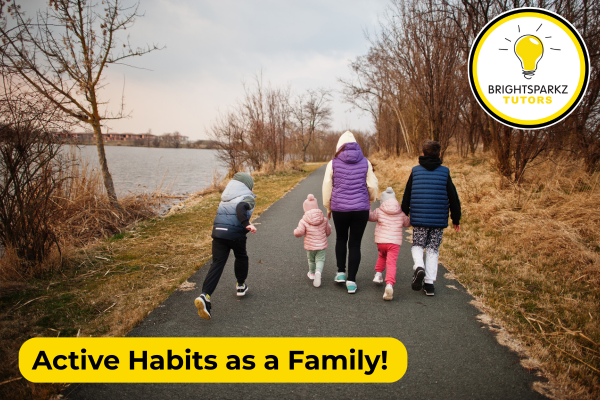
- Go for evening walks or weekend hikes together
- Use the local park or school field for free play
- Set up obstacle courses or ball games in the backyard
- Turn chores into active games (races to tidy up, garden work, etc.)
Tips for Parents to Encourage Physical Activity for Children
- Lead by example: Let your child see you enjoying movement.
- Be consistent: Make activity a non-negotiable part of the routine.
- Prioritise fun: Choose activities your child genuinely enjoys.
- Limit screen time: Balance sedentary time with bursts of movement.
- Encourage, don’t pressure: Support effort over skill or outcomes.
Putting it Together: The Value of Physical Activity for Children
Movement supports the whole child – body, brain, and heart. Whether through sport, music, or outdoor play, giving children structured, regular opportunities to be active sets them up for a lifetime of physical and mental wellbeing.
For South African families, making use of local spaces, community centres, and low-cost options can go a long way. It’s not necessarily about achieving athletic greatness – it’s about helping our children grow strong, focused, and confident.


Leave a Reply
Want to join the discussion?Feel free to contribute!